Dead Tree Removal in Reno, NV
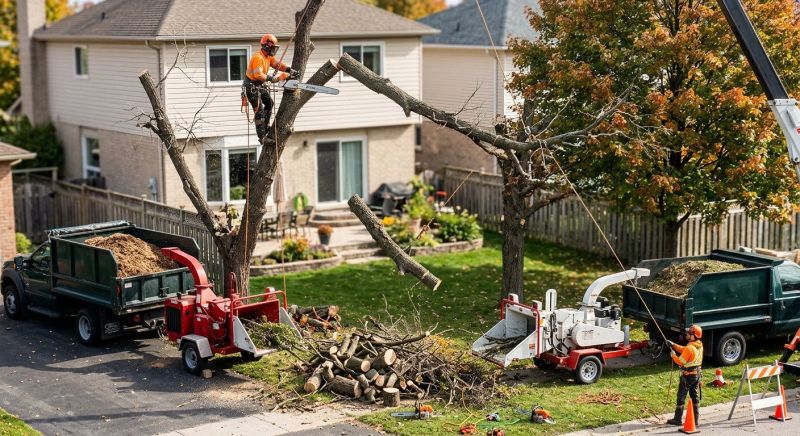
Dead tree removal services involve safely taking down and removing trees that are dead, dying, or pose a risk to property. This type of project typically covers situations where a tree has become hazardous due to disease, decay, or structural instability, and may include removing entire trees or sections of dead branches. Property owners often seek this service to prevent potential damage to structures, reduce the risk of falling limbs, or improve the overall safety and appearance of their landscape.
Before requesting dead tree removal, homeowners should consider the size, location, and condition of the tree. It’s important to understand whether the tree is close to buildings, power lines, or other structures, as this can impact the complexity and safety measures required for removal. Additionally, property owners may want to know if permits are necessary or if there are any restrictions in the area. Gathering this information helps ensure the project proceeds smoothly and safely.
Many property owners in Reno, NV look into Dead Tree Removal for repairs, replacements, upgrades, and appearance-related improvements.
Dead Tree Removal Services
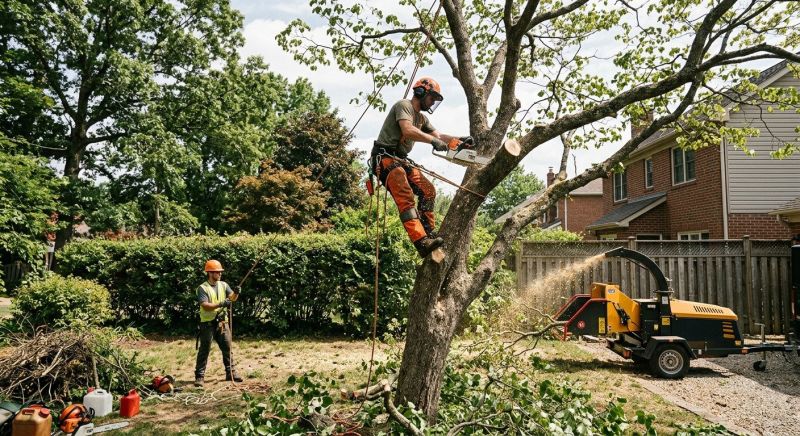
Examples of dead tree removal work property owners may explore in reno, nv.
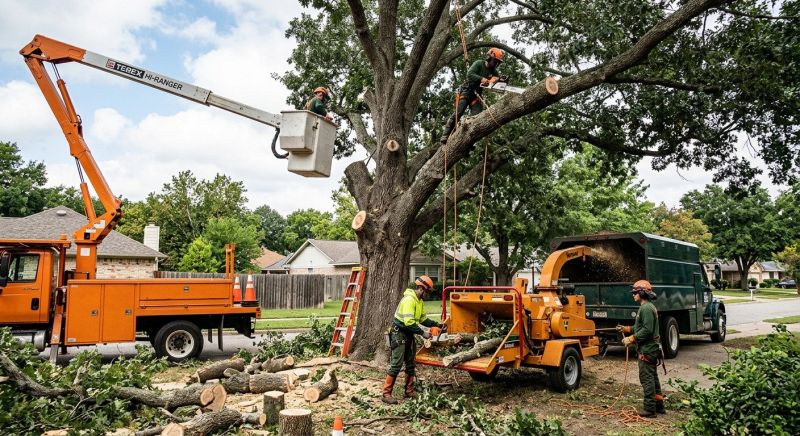
Dead Tree Removal Updates
Common ways people refresh, improve, or restore dead tree removal features in reno, nv.
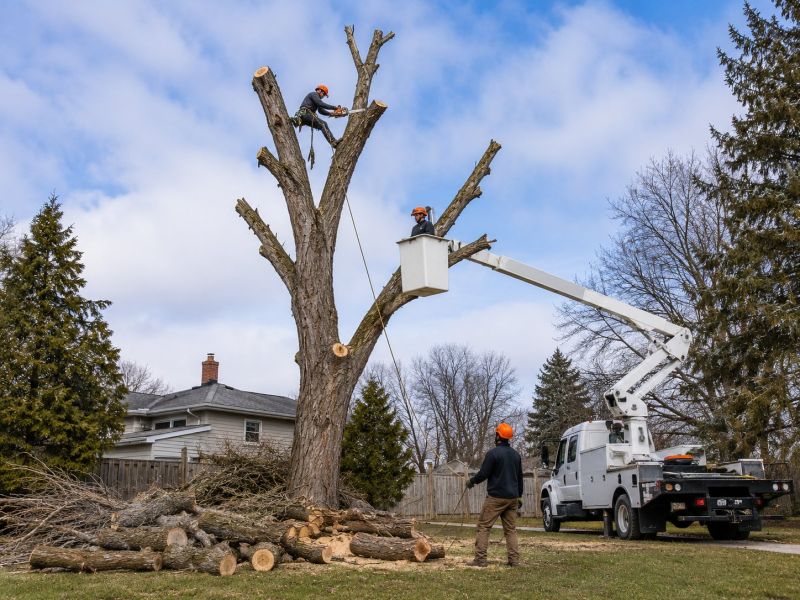
Dead Tree Removal Options
Different styles, layouts, and finishes people consider for dead tree removal in reno, nv.
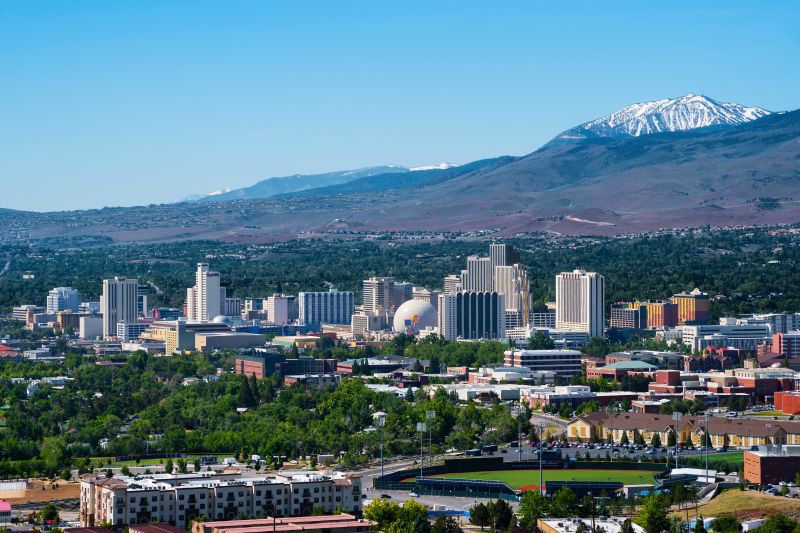
Dead Tree Removal in Reno, NV
Dead tree removal services involve safely taking down and removing trees that are dead, dying, or pose a risk to property. This type of project typically covers situations where a tree has become hazardous due to disease, decay, or structural instability, and may include removing entire trees or sections of dead branches. Property owners often seek this service to prevent potential damage to structures, reduce the risk of falling limbs, or improve the overall safety and appearance of their landscape.
Before requesting dead tree removal, homeowners should consider the size, location, and condition of the tree. It’s important to understand whether the tree is close to buildings, power lines, or other structures, as this can impact the complexity and safety measures required for removal. Additionally, property owners may want to know if permits are necessary or if there are any restrictions in the area. Gathering this information helps ensure the project proceeds smoothly and safely.
Many property owners in Reno, NV look into Dead Tree Removal for repairs, replacements, upgrades, and appearance-related improvements.
Common Dead Tree Removal Jobs
Dead tree removal involves safely cutting down and removing hazardous or unwanted trees from residential or commercial properties.
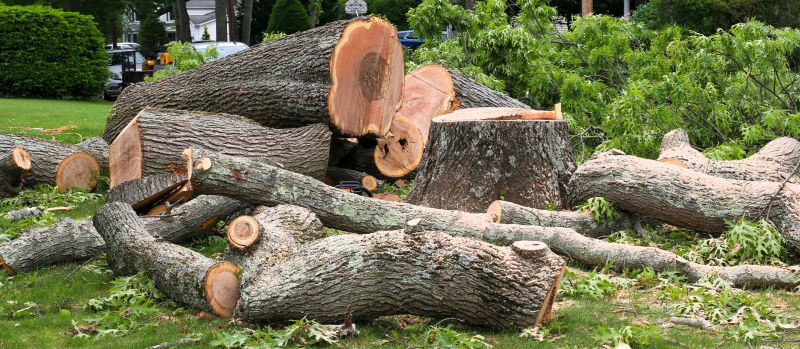
Stump grinding ensures leftover stumps are ground below ground level for a smooth, safe landscape.
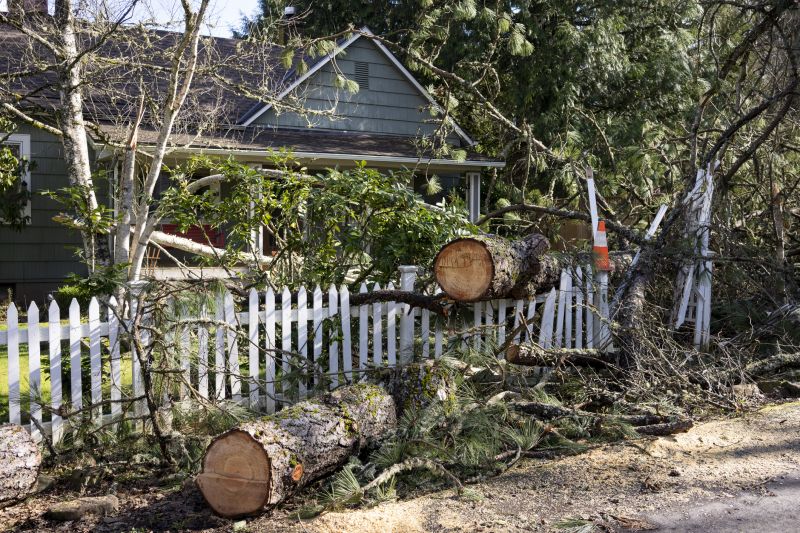
Emergency tree removal addresses urgent situations caused by storm damage or safety hazards.
Selective tree removal targets specific trees to improve property aesthetics or health without affecting surrounding vegetation.
Hazardous tree removal eliminates trees that pose a risk of falling or causing property damage.
Tree debris cleanup includes hauling away branches, logs, and other remnants after tree removal work.
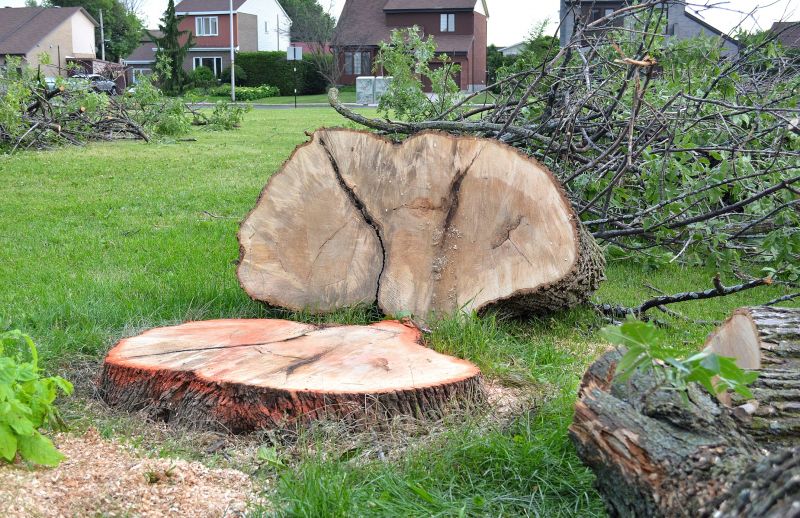
Dead Tree Removal Questions
When is dead tree removal necessary? Dead trees may need removal if they pose safety hazards, are diseased, or are causing damage to property or nearby structures.
What signs indicate a tree is dead? Lack of leaves, brittle branches, and visible decay or fungus are common indicators of a dead tree.
Does removing a dead tree affect the landscape? Removing a dead tree can improve the appearance of a property and prevent potential damage to surrounding plants and structures.
Are there any restrictions on dead tree removal? Local regulations may restrict removal of certain trees, especially if they are protected species or in designated conservation areas.
Request Dead Tree Removal in Reno, NV
Use the quote form on this page to share the basics of your project and request more information for the type of work you need.