Optimal Timing for Fruit Tree Pruning
Fruit tree prunings are essential for maintaining healthy, productive trees. The timing of pruning can influence fruit yield, tree health, and disease prevention. Proper timing ensures that the tree heals correctly and that the pruning stimulates optimal growth.
Pruning in early spring before new growth begins helps shape the tree and remove dead or diseased branches.
Light pruning during summer can control growth and improve fruit quality, especially after fruit set.
Major pruning is often performed in winter when the tree is dormant, reducing stress and encouraging vigorous growth in the season ahead.
Pruning after harvest can help prepare the tree for the next season and remove any damaged or overgrown branches.
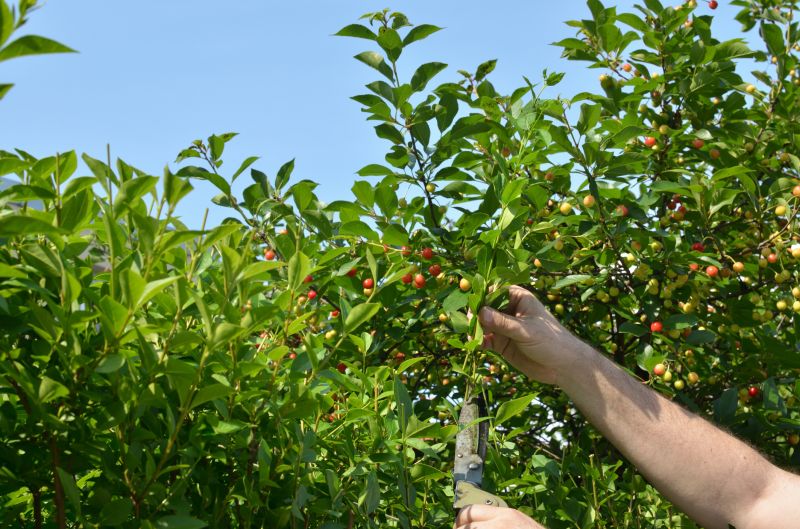
Pruning during bloom can help shape the tree without damaging the fruiting wood.
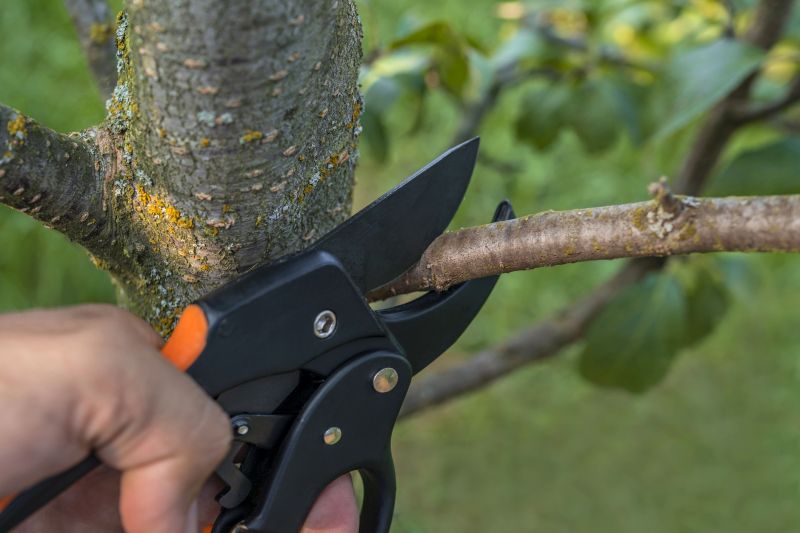
Ideal for shaping and removing deadwood without affecting fruit production.
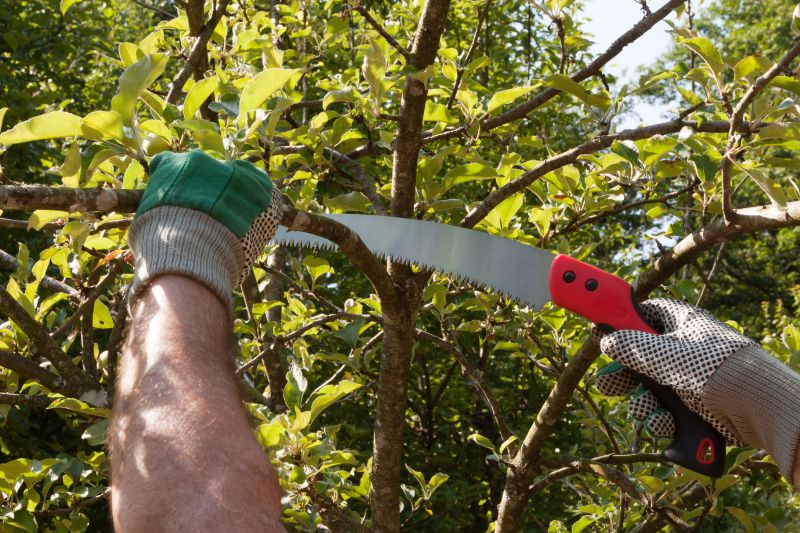
Encourages healthy growth and prepares the tree for the next season.
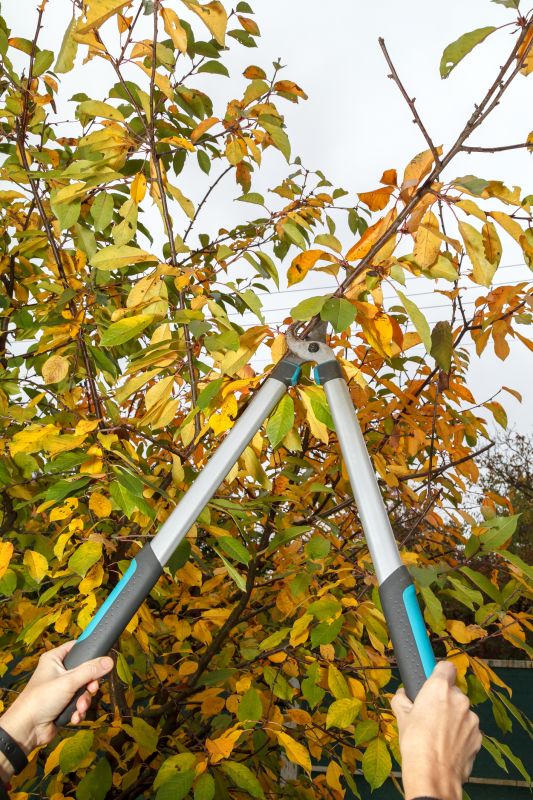
Helps control size and improve sunlight exposure.
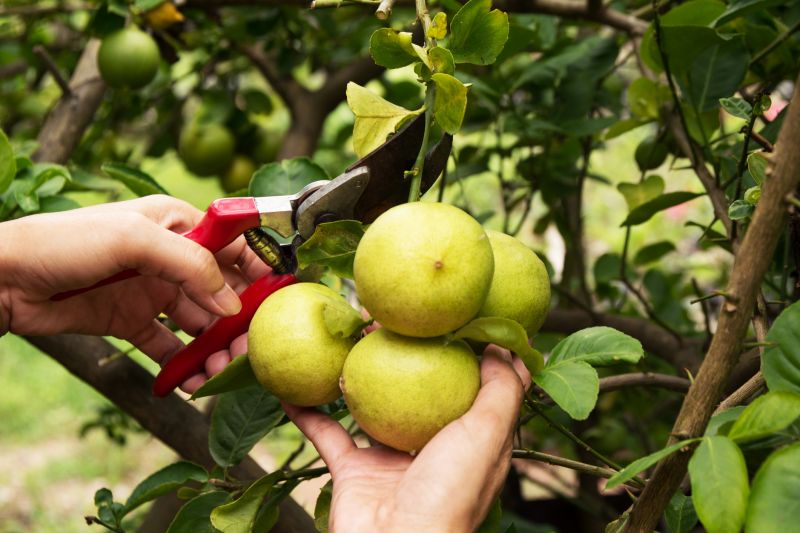
Reduces excessive growth and maintains tree balance.
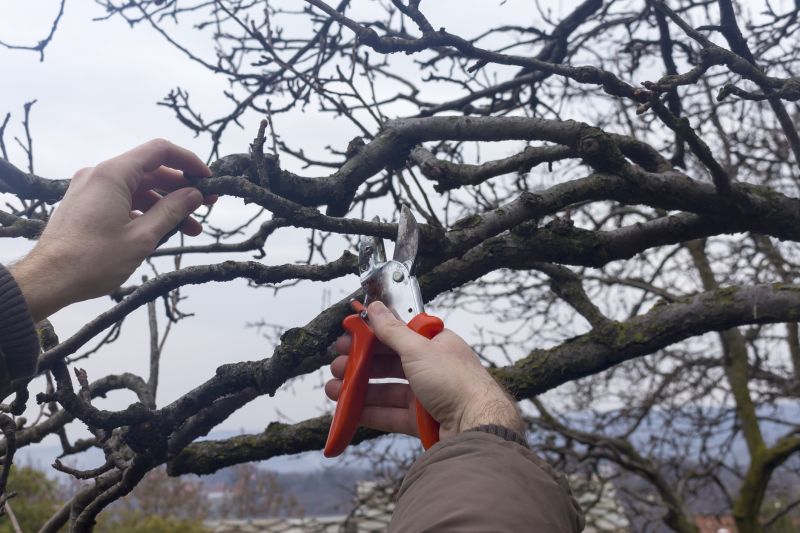
Best time for major structural pruning.
| Pruning Time | Recommended Actions |
|---|---|
| Early Spring | Shape the tree, remove dead or diseased branches before growth starts. |
| Late Winter | Perform major cuts during dormancy to promote vigorous growth. |
| Post-Harvest | Remove overgrown branches and prepare for the next season. |
| Summer | Light pruning to control growth and improve fruit quality. |
| Late Summer/Early Fall | Manage size and balance growth for optimal fruiting. |
Fruit tree prunings play a vital role in maintaining the health and productivity of fruit-bearing trees. Proper timing ensures that the pruning stimulates new growth, enhances fruit quality, and reduces the risk of disease. Studies show that pruning during dormancy can improve fruit yield by up to 20%, depending on the species and conditions. Additionally, regular pruning helps manage tree size, making harvests easier and reducing the likelihood of pest infestations.
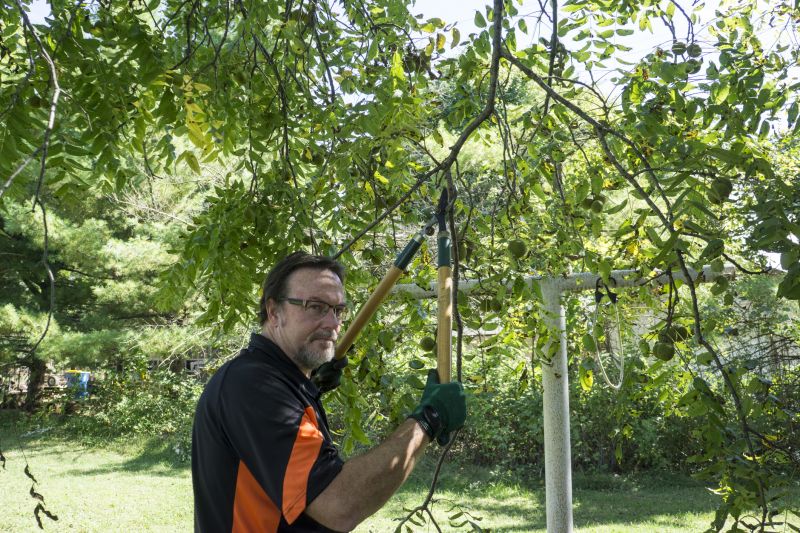
Shows healthy, well-maintained branches after pruning.
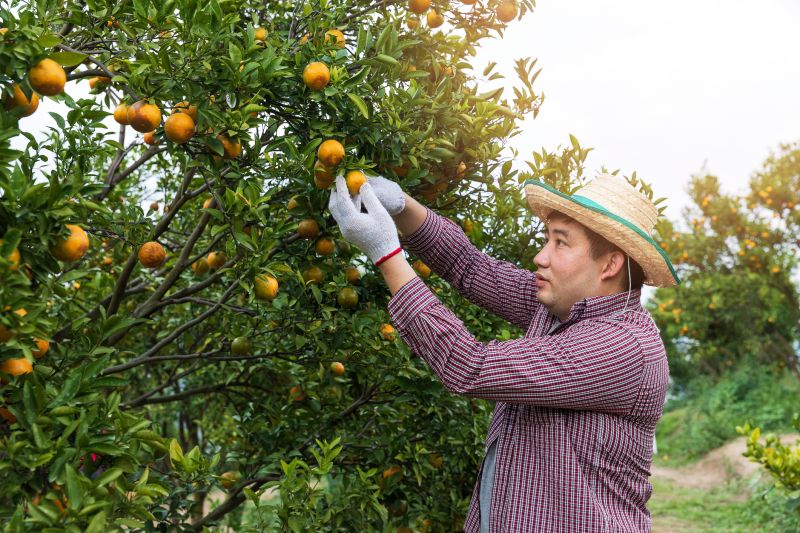
Tree in winter dormancy ready for major cuts.
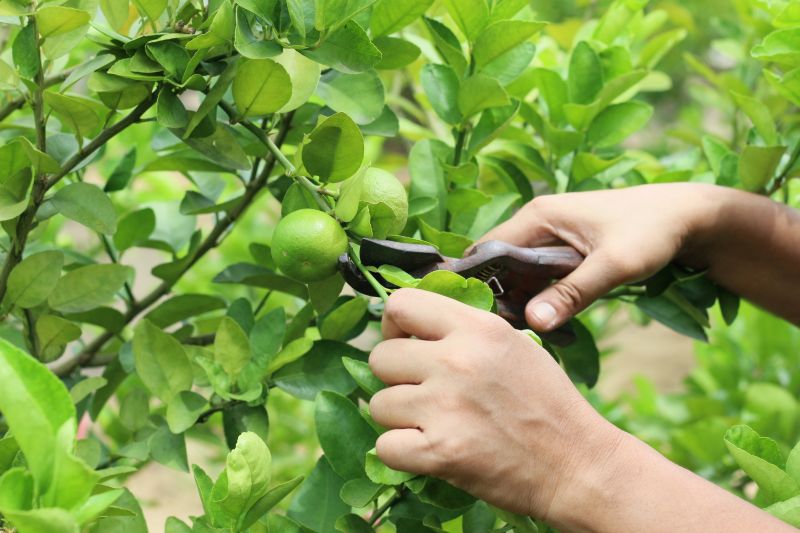
New growth following early spring pruning.
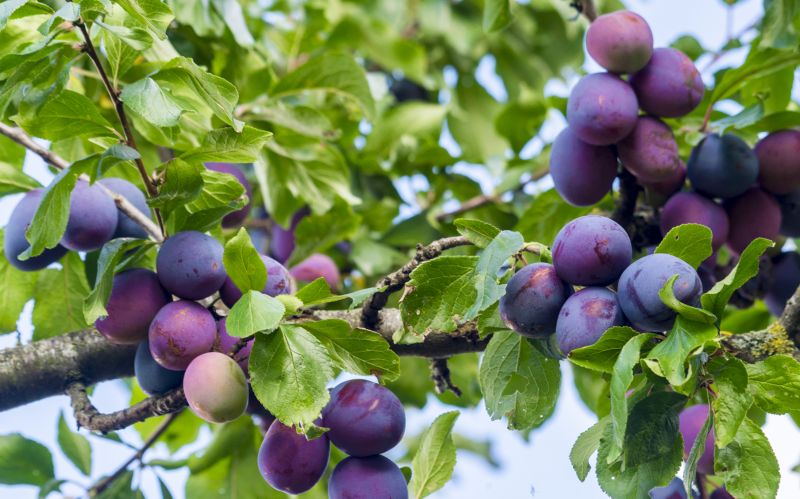
Tree with mature fruit, post-pruning for next season.
Interested in optimizing your fruit tree pruning schedule? Filling out the contact form can provide tailored advice and support for your orchard or garden. Proper pruning can significantly enhance fruit production and tree health, making it a valuable practice for fruit growers and enthusiasts alike.