Pruning Techniques for Healthy Fruit Trees
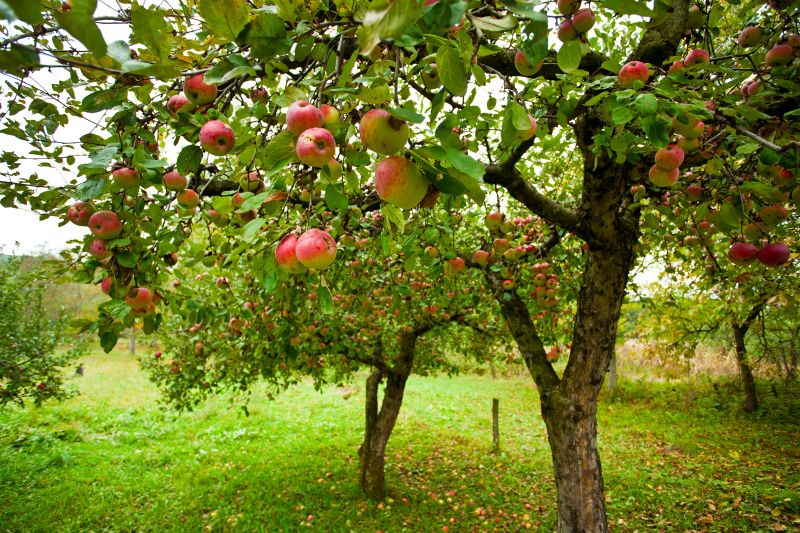
A well-maintained apple tree showing clean cuts and balanced branch structure.
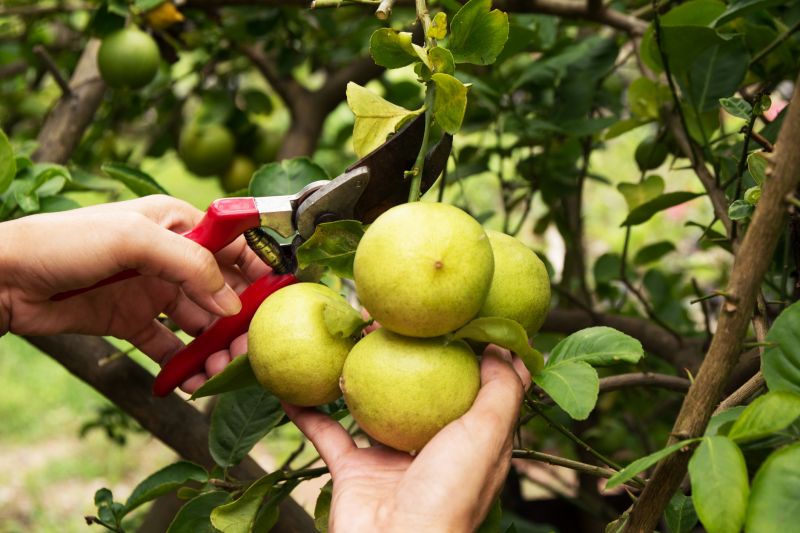
Specialized tools used for precise pruning of fruit trees.
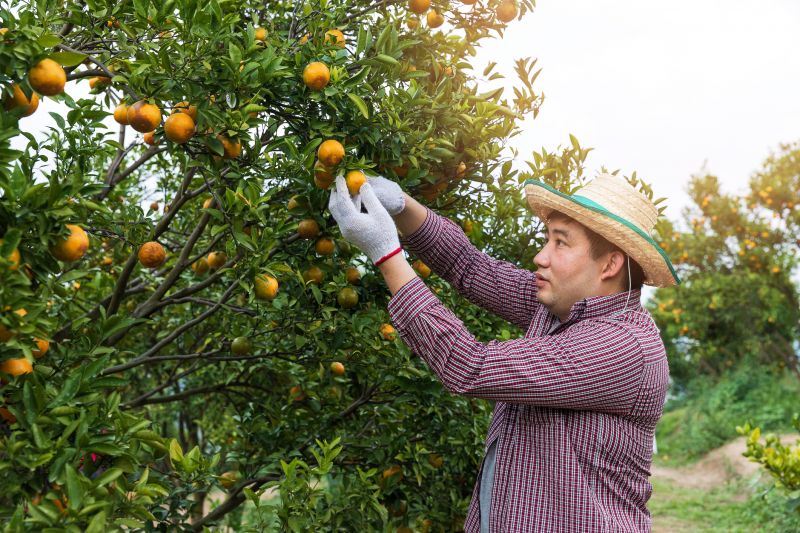
Step-by-step process of pruning to ensure healthy growth.
Statistics indicate that effective pruning can increase fruit yield by up to 30%, while reducing the incidence of pests and diseases. The timing of pruning varies depending on the type of fruit tree, but generally, late winter or early spring is ideal for most varieties. Proper pruning techniques involve removing dead, diseased, or crossing branches to encourage better airflow and sunlight penetration.
The process of fruit tree pruning typically takes a professional between one to three hours, depending on the size and number of trees. The procedure includes assessing the tree’s structure, selecting appropriate cuts, and ensuring the health of the remaining branches. Skilled pruning not only improves the aesthetics of the tree but also significantly boosts productivity.
Expertise reduces the risk of damaging the tree, promotes better fruit production, and saves time.
Includes thinning, heading back, and shaping to maintain the desired tree form.
Proper pruning is a delicate process that requires knowledge of each tree’s specific needs. Professionals utilize specialized techniques to ensure the health and productivity of fruit trees, which can be compromised by improper pruning. Additionally, they have the experience to identify and remove problematic branches that could lead to future issues.
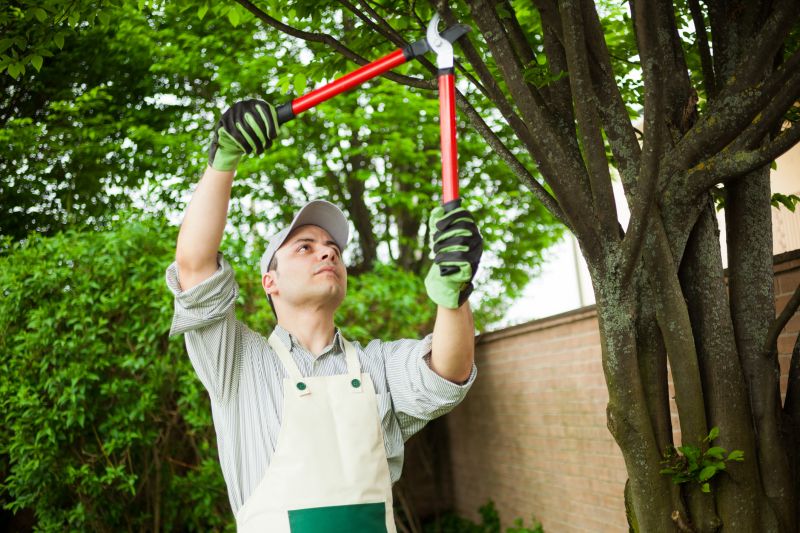
Healthy, well-shaped fruit trees after professional pruning.
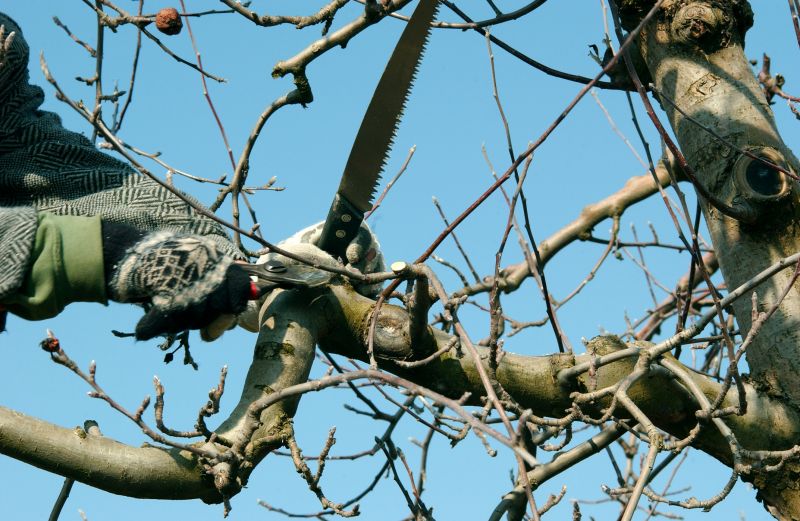
A professional pruning a fruit tree with proper tools.
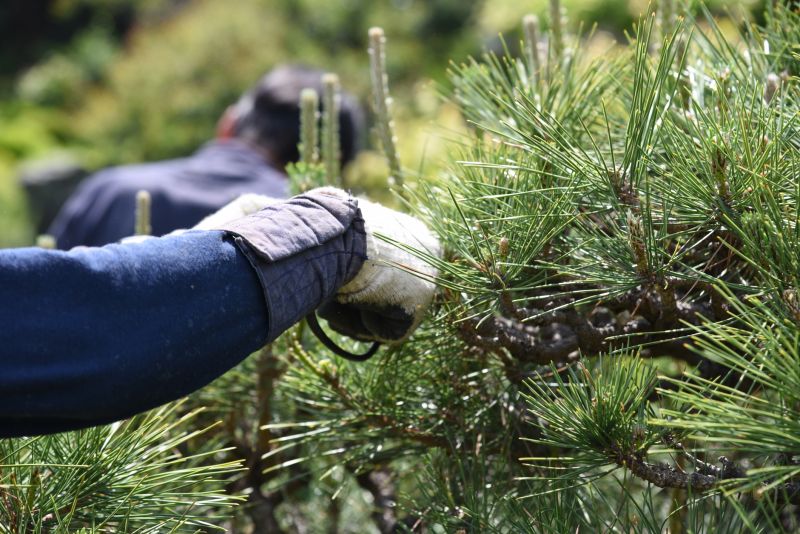
The balanced structure of a fruit tree following pruning.
If interested in professional fruit tree pruning services, filling out the contact form can provide a detailed quote. Properly maintained trees can produce higher quality fruit and remain healthy for years to come.