
Ultimate Collection of Fruit Tree Pruning Supplies
A comprehensive selection of pruning tools and accessories to support healthy fruit tree maintenance year-round.
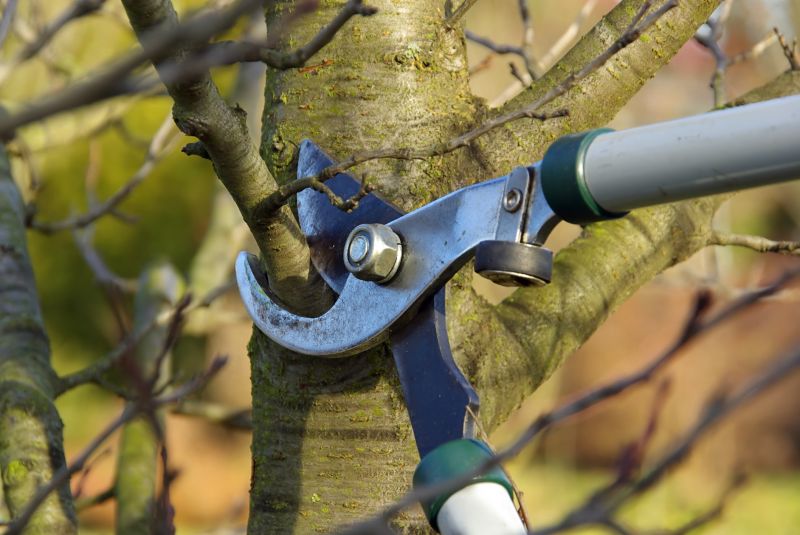 Pruning fruit trees is an essential horticultural practice that promotes healthy growth, enhances fruit production, and maintains the overall shape of the trees. Proper pruning involves removing dead, diseased, or overgrown branches to improve air circulation and sunlight penetration. To achieve optimal results, gardeners and orchardists rely on a variety of specialized tools designed to handle different pruning tasks effectively. These tools range from simple hand pruners to more advanced equipment capable of tackling thicker branches and hard-to-reach areas. Selecting the right products for fruit tree prunings can make the process safer, more efficient, and less labor-intensive.
Top Overall Option
Multi-Function Pruning Tool Set
A versatile set that includes various hand pruners, loppers, and saws designed for different pruning needs. It offers adjustable handles and sharp blades to facilitate clean cuts on branches of varying sizes, making it suitable for both novice and experienced gardeners. Its ergonomic design aims to reduce fatigue and improve control during extended pruning sessions.
Types of Products For Fruit Tree Prunings
Bypass Pruners
Ideal for precise cuts on small branches and stems, offering a clean cut that promotes healthy healing.
Anvil Pruners
Designed for thicker branches, these pruners use a straight blade that crushes rather than cuts, suitable for deadwood removal.
Loppers
Long-handled tools capable of cutting larger branches with increased leverage, available in various sizes.
Pruning Saws
Hand saws with curved or straight blades for cutting thick branches and limbs, often featuring ergonomic handles.
Pole Pruners
Extendable tools that allow pruning of high branches from the ground, often combining saw and pruner functions.
Grafting Knives
Specialized blades used for grafting and making precise cuts during pruning and propagation.
Cutting Guides
Tools that help in making uniform cuts, especially useful for shaping trees or preparing for grafting.
Tool Sharpeners
Devices designed to maintain the sharpness of blades, ensuring efficient and clean cuts.
Protective Gear
Gloves, safety glasses, and aprons to protect during pruning activities.
Storage Solutions
Organizers and cases to keep pruning tools safe, organized, and easily accessible.
Popular Choices
Lightweight and easy to handle, suitable for quick trimming of small branches and stems.
Designed for tackling thicker branches with ease, providing extended reach and leverage.
Portable and safe to carry, ideal for on-the-go pruning and branch removal.
Allow pruning of high branches from the ground, reducing the need for ladders.
Designed for comfort during extended use, reducing hand fatigue.
Versatile tools suitable for trimming various plant types, including fruit trees.
Ideal for detailed cuts needed in grafting and pruning projects.
Help maintain the sharpness of pruning blades for cleaner cuts.
Heavy-duty gloves to safeguard hands from cuts and scratches during pruning.
Keep pruning tools neatly stored and protected between uses.
When choosing pruning tools, it is important to consider the size and type of branches you intend to cut. For small to medium branches, lightweight hand pruners or secateurs are often sufficient, offering precision and ease of use. For larger limbs, loppers with long handles provide additional leverage and reach, reducing strain and increasing cutting power. For particularly thick or stubborn branches, pruning saws or pole pruners with extendable arms can be invaluable, allowing you to work safely from the ground without the need for ladders. Additionally, protective gear such as gloves and eye protection should accompany these tools to ensure safety during pruning sessions.
Proper maintenance of pruning tools is also crucial. Sharp blades ensure clean cuts that promote quicker healing for the tree, while regular cleaning prevents the spread of disease. Storage solutions like tool racks or cases help keep equipment organized and in good condition for future use. Whether you are a home gardener or a professional orchard manager, investing in high-quality pruning products tailored to your specific needs can significantly improve your pruning experience and outcomes. Remember, the right tools not only make the task easier but also contribute to the health and productivity of your fruit trees over time.
Key Buying Considerations
- Branch size compatibility: Ensure the tool can handle the thickness of branches you plan to prune.
- Blade type: Bypass blades provide cleaner cuts suitable for living tissue, while anvil blades are better for deadwood.
- Handle length and ergonomics: Longer handles offer reach but may be heavier; ergonomic designs reduce fatigue.
- Material quality: Sharp, durable blades made from high-quality steel improve cutting efficiency and longevity.
- Safety features: Locking mechanisms and safety guards help prevent accidental injuries.
- Ease of maintenance: Tools that are easy to sharpen and clean save time and effort.
- Weight and balance: Lightweight tools reduce strain, especially during extended use.
- Extendable features: Telescoping poles or extendable pruners allow access to high branches safely.
- Cost versus durability: Investing in well-made tools can provide better performance and longevity.
- Intended use: Select tools suited for small trimming tasks or heavy-duty branch removal depending on your needs.
- Storage options: Proper storage solutions help keep tools organized and in good condition.
- Compatibility with grafting: If grafting is involved, consider specialized knives and tools.
- Environmental conditions: Choose rust-resistant tools if working in humid or wet environments.
- User experience: Consider tools that match your comfort level and experience with pruning tasks.
- Additional features: Some tools come with extra functionalities like pruning guides or built-in saws.